Your cart
Your cart is empty
Continue shoppingDrawer menu

A jewellery piece can look completely different once it is set in white or rose gold. When choosing white gold vs rose gold, the question is not simply which colour is prettier. It is about how the metal works with your wardrobe, skin tone, gemstones, lifestyle and the feeling you want every time you put it on.
Both are beautiful, durable choices for rings, chains, earrings and meaningful gifts. The right one is the one that feels like you - whether that means crisp and classic, soft and romantic, understated or a little unexpected.
The difference begins with the alloy. Pure gold is naturally yellow and too soft for most everyday jewellery, so it is blended with other metals to improve strength and alter its colour.
White gold is created by mixing yellow gold with white-toned metals, commonly palladium, silver or nickel. Most white gold jewellery is then finished with rhodium plating, which gives it that bright, silvery-white surface people associate with modern engagement rings and diamond settings.
Rose gold combines yellow gold with copper and, in some alloys, a small amount of silver. Copper creates its distinctive blush tone and also contributes to the metal’s strength. More copper generally means a deeper, warmer rose colour.
This means white gold has a cool, polished look, while rose gold has warmth and softness. Neither is inherently better. They simply create different moods.
White gold is a favourite for people who love the clean look of platinum or sterling silver but want the richness and value of gold. It is especially popular in bridal jewellery because it lets colourless diamonds appear bright and crisp, without competing with the stone.
A white gold solitaire ring feels timeless and refined. Pavé details, halo settings and diamond tennis bracelets also look particularly luminous in white gold, as the metal tends to blend into the sparkle. If you wear a lot of silver-toned watches, stainless steel accessories or cooler-coloured clothing, white gold will usually fit naturally into your collection.
It is also an easy choice for someone buying a gift when they are unsure of the recipient’s style. White gold has broad appeal, especially for classic earrings, delicate pendants and clean-lined rings.
Rhodium plating does need occasional attention. Over time, particularly on rings worn every day, the bright outer finish can wear away and reveal a slightly warmer, soft-grey tone beneath. This is normal, not a fault in the jewellery.
How quickly this happens depends on your skin chemistry, how often you wear the piece and whether it comes into contact with hand sanitiser, perfume, cleaning products or the gym. A jeweller can re-plate white gold to restore its fresh white finish when needed.
If you have a known nickel sensitivity, always check the metal details before purchasing. Nickel-free white gold alloys are available, and transparent product descriptions make all the difference when choosing jewellery you will wear close to the skin.
Rose gold has a warmth that feels personal from the first wear. It is flattering without being overly sweet, and it can make even simple designs feel considered. Think fine chains layered over a neutral knit, a pink-toned gemstone ring, or a pair of polished hoops that bring a gentle glow to the face.
Because rose gold is less common than yellow or white gold, it has a distinctive quality while still feeling timeless. It works beautifully with vintage-inspired settings, engraved pendants, heart motifs, pearls and coloured gemstones. Morganite, pink sapphire, garnet, champagne diamond and peach-toned stones are particularly lovely choices, although a bright white diamond can create a striking contrast too.
Rose gold is also often a practical choice for everyday rings. The copper in the alloy adds strength, which can be helpful for pieces that get regular wear. That said, durability is not only about metal colour. The karat, setting style, thickness of the band and how you treat the piece all matter.
Rose gold is often recommended for warm or neutral undertones, but jewellery does not need to follow a colour chart. Its soft pink warmth can look stunning against a wide range of complexions, including cool undertones where it creates contrast rather than blending in.
The best test is to hold the metal near your face in natural light. Does it make your skin look brighter? Do you keep looking at it? That is useful information. Personal style will always matter more than a rigid rule.
For a diamond engagement ring or an heirloom-style gift, the stone deserves a close look in each metal colour.
White gold is the more traditional choice for colourless diamonds. Its cool tone enhances an icy, bright appearance, particularly with round, oval, pear and emerald-cut stones. It is also a reliable setting choice for blue sapphire, aquamarine, tanzanite and other cool-toned gems.
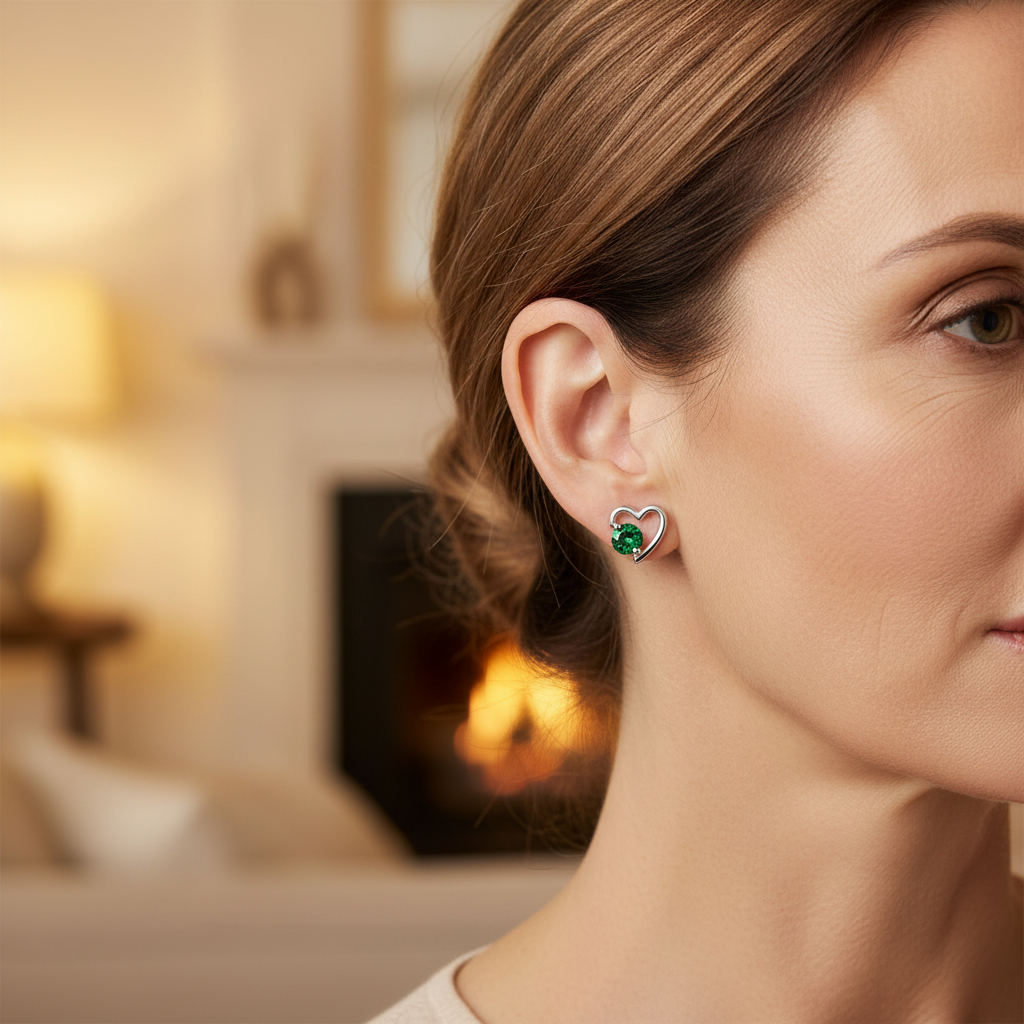
Rose gold brings out warmth. It can make champagne diamonds, cognac diamonds and pink stones look especially rich, while giving a clear diamond a romantic contrast. Green gems such as emerald, peridot and tourmaline can look remarkable against rose gold too, as the opposing tones make each other stand out.
There is one detail worth considering with white diamonds: rose gold prongs can reflect a hint of warmth into the stone. Some people love this softer effect. Others prefer white gold prongs around the diamond, paired with a rose gold band, to keep the centre stone looking as white as possible. This two-tone approach is a thoughtful middle ground.
Choose white gold if your wardrobe leans towards black, white, grey, navy or cool pastels, or if your existing jewellery is mostly silver-toned. It has a neat, versatile finish that works beautifully from office wear to formal occasions. A white gold chain or pair of studs can become the piece you never need to take off.
Choose rose gold if you like warm neutrals, earthy tones, blush shades or vintage-inspired details. It is also ideal when you want a piece to feel softly feminine without being overly traditional. A rose gold pendant or stacking ring adds warmth even to a simple white T-shirt and denim look.
If you regularly mix metals, there is no need to choose one forever. A white gold ring can sit beside rose gold bangles, especially when the designs share a similar texture or gemstone. Jewellery should look collected and personal, not overly matched.
At the same karat and weight, white gold and rose gold are usually priced similarly. The cost is more likely to be influenced by the purity of gold, the weight of the piece, craftsmanship, stones, setting complexity and whether it is solid gold, plated or gold-filled.
For example, 18ct gold contains more pure gold than 9ct gold, so it is generally richer in colour and higher in price. However, 9ct can be a sensible choice for durable, accessible everyday jewellery. There is no universal best option - it depends on your budget, how often you will wear it and whether the piece marks a major occasion.
When comparing pieces online, look beyond the photographs. Check the listed material, karat, dimensions, clasp or setting type, and care advice. A well-chosen piece should feel as good in your hand as it looks on screen.
White gold offers cool brilliance and effortless versatility. Rose gold offers warmth, character and a softly modern glow. For a milestone ring, try both colours beside the gemstone you love. For everyday jewellery, begin with the metal that works naturally with what you already wear.
The most memorable jewellery is not chosen because a trend says it is right. It is chosen because, when you catch sight of it on your hand, neckline or wrist, it makes getting dressed feel a little more like yourself.


 is here! Shop now, pay later in 4 easy installments